Overview of Central Cooling Systems
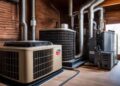
Central cooling systems are a type of HVAC system that cools an entire building or home by distributing cool air through a network of ducts and vents. These systems are commonly used in larger buildings and homes to maintain a consistent and comfortable indoor temperature.
Components of Central Cooling Systems
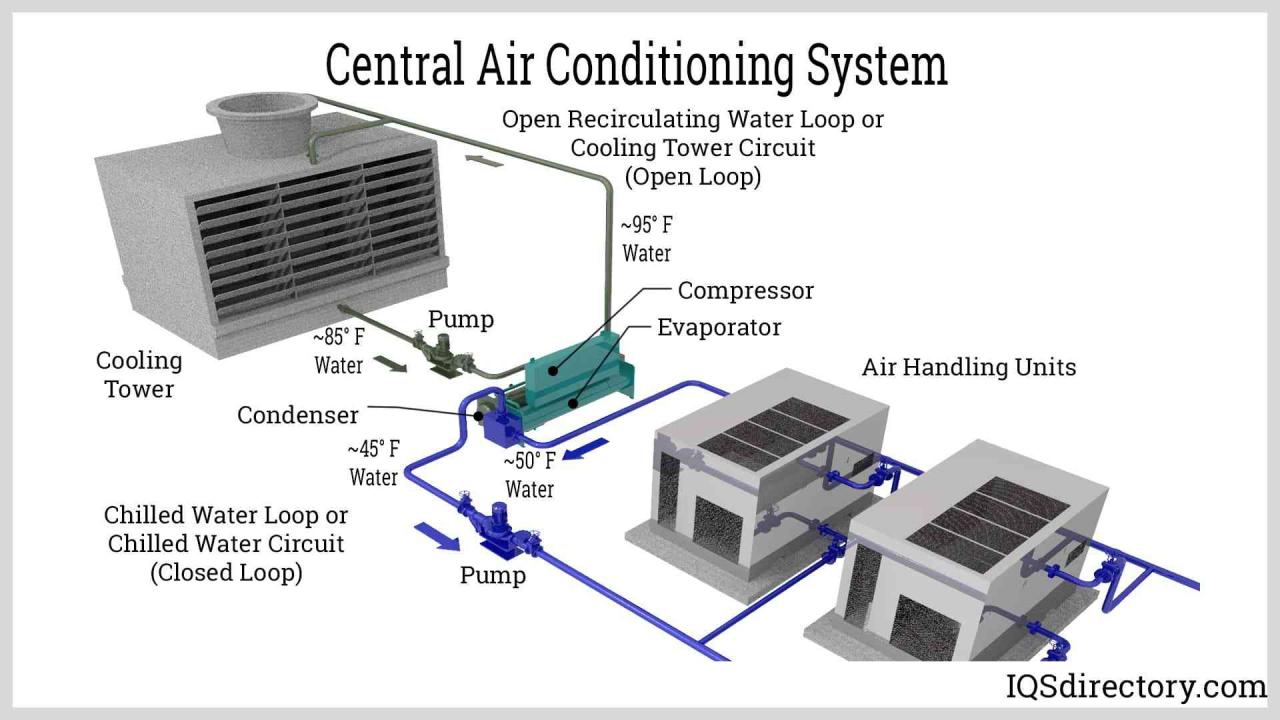
Central cooling systems consist of several key components that work together to cool the air and distribute it throughout the building. These components include:
- The compressor: This is the heart of the system and is responsible for circulating the refrigerant through the system.
- The evaporator coil: This component absorbs heat from the air inside the building, cooling it down before sending it back into the space.
- The condenser coil: This coil releases the heat absorbed by the evaporator coil to the outside environment.
- The air handler: This unit circulates the cool air through the ductwork and into the different rooms of the building.
Advantages of Central Cooling Systems
Central cooling systems offer several advantages over traditional air conditioning units, including:
- Efficiency: Central cooling systems are more energy-efficient than individual air conditioning units, as they can cool an entire building with one system.
- Consistent temperature: Central cooling systems provide a more consistent indoor temperature throughout the building, eliminating hot spots and cold drafts.
- Improved air quality: Central cooling systems can also improve indoor air quality by filtering out dust, allergens, and other pollutants from the air.
- Convenience: With a central cooling system, you can control the temperature of your entire building from one central thermostat, making it easier to maintain a comfortable environment.
Innovations in Central Cooling Systems
Central cooling systems have seen significant advancements in recent years, with technology playing a key role in improving efficiency and performance. One of the most notable innovations is the integration of smart technology into central cooling systems, revolutionizing how these systems are controlled and monitored.
Smart Technology Integration
Smart thermostats and sensors are now commonly used in central cooling systems to optimize energy usage and ensure personalized comfort. These devices can learn user preferences, adjust settings automatically, and provide real-time data for better efficiency. By leveraging the Internet of Things (IoT), central cooling systems can now be remotely controlled and monitored through smartphones or other connected devices.
Energy-Efficient Innovations
Energy efficiency has become a top priority in central cooling systems, leading to the development of advanced compressors, variable-speed motors, and improved insulation techniques. These innovations not only reduce energy consumption but also contribute to lower utility bills and a smaller carbon footprint.
By utilizing eco-friendly refrigerants and optimizing airflow, modern central cooling systems are more environmentally friendly than ever before.
Environmental Benefits
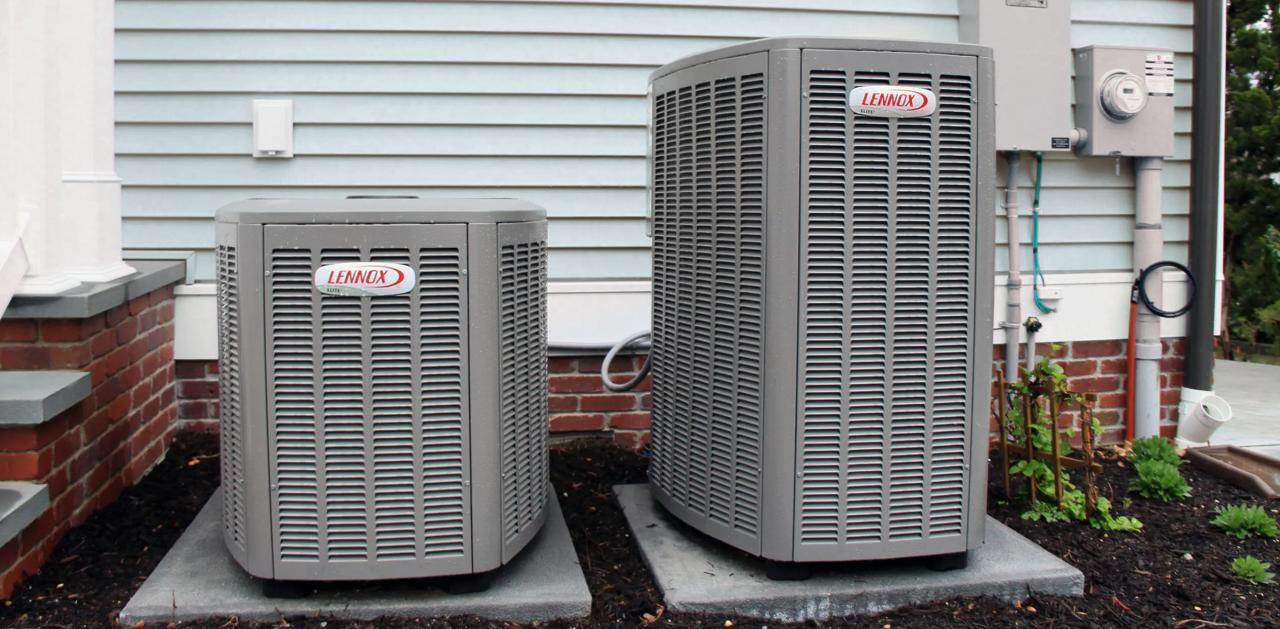
Central cooling systems play a crucial role in reducing carbon footprint and promoting sustainable living practices. By utilizing innovative technologies and eco-friendly refrigerants, these systems contribute to a healthier environment for both present and future generations.
Reducing Carbon Footprint
Central cooling systems are designed to be highly energy-efficient, which helps reduce the overall energy consumption of a building. This, in turn, leads to a decrease in the amount of greenhouse gas emissions released into the atmosphere. By optimizing the cooling process and minimizing energy waste, central cooling systems make a significant impact in lowering the carbon footprint of a property
Eco-Friendly Refrigerants
Modern central cooling systems are moving towards the use of eco-friendly refrigerants that have a lower impact on the environment. These refrigerants, such as R-410A or R-32, are designed to be ozone-friendly and have a minimal global warming potential. By transitioning to these sustainable refrigerants, central cooling systems are able to operate efficiently while reducing their environmental impact.
Promoting Sustainable Living
Central cooling systems not only provide comfort and convenience but also promote sustainable living practices. By maintaining optimal indoor temperatures and humidity levels, these systems help reduce energy consumption and lessen the strain on natural resources. Additionally, central cooling systems enable individuals to live and work in eco-friendly environments, supporting a sustainable lifestyle that benefits both people and the planet.
Maintenance and Servicing
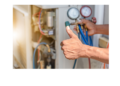
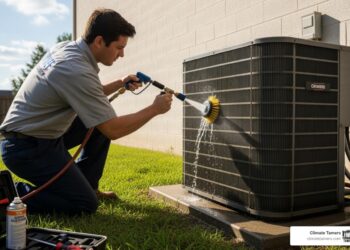
Regular maintenance is crucial for ensuring the optimal performance and longevity of central cooling systems. By following a few simple tips, homeowners can effectively maintain their systems and prevent costly repairs down the line. Professional heating and air companies play a key role in servicing central cooling systems, providing expertise and specialized knowledge to keep the systems running smoothly.
Importance of Regular Maintenance
- Regular maintenance helps identify and address minor issues before they escalate into major problems.
- Proper maintenance improves energy efficiency, reducing utility bills and environmental impact.
- Regular servicing extends the lifespan of the central cooling system, maximizing the return on investment.
Tips for Homeowners
- Change air filters regularly to maintain air quality and system efficiency.
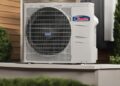
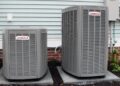
- Keep the outdoor unit free of debris and vegetation to ensure proper airflow.
- Schedule annual professional inspections and tune-ups to catch any potential issues early.
- Monitor the thermostat settings and adjust as needed to optimize comfort and efficiency.
Role of Professional Heating and Air Companies
- Professional technicians have the expertise to identify and address issues efficiently.
- Regular maintenance plans offered by heating and air companies can help homeowners stay on top of servicing schedules.
- Technicians can perform thorough inspections and tune-ups to ensure the central cooling system operates at peak performance.
FAQs
How often should central cooling systems be serviced?
Central cooling systems should ideally be serviced at least once a year to ensure optimal performance and efficiency. Regular maintenance helps prevent costly repairs and extends the lifespan of the system.
Are eco-friendly refrigerants safe for use in central cooling systems?
Yes, eco-friendly refrigerants are safe for use in central cooling systems and are considered better for the environment compared to traditional refrigerants. They help reduce greenhouse gas emissions and contribute to a more sustainable cooling solution.
What are some common signs that indicate central cooling systems need maintenance?
Some common signs include reduced cooling efficiency, strange noises coming from the system, uneven cooling throughout the house, and an increase in energy bills. If you notice any of these signs, it's advisable to contact a professional heating and air company for inspection and maintenance.