Importance of hiring certified air conditioner contractors for historic home renovations
When it comes to renovating historic homes, hiring certified air conditioner contractors is crucial to ensure the preservation of the unique architectural features and maintain the historical integrity of the property.
Ensuring Quality Workmanship
Certified air conditioner contractors have undergone specialized training and possess the necessary skills and expertise to work on historic homes. They understand the intricacies of older HVAC systems and can provide tailored solutions to meet the specific needs of these properties.
Adherence to Historical Preservation Standards
By hiring certified professionals, homeowners can rest assured that the renovation work will comply with historical preservation standards. These contractors are familiar with the regulations and guidelines governing historic properties and will ensure that the air conditioning installation is done in a way that does not compromise the historical significance of the home.
Reducing Risks of Damage
On the other hand, hiring uncertified contractors for historic home renovations can pose risks such as improper installation, damage to the property's structure, or potential harm to valuable historical elements. This can result in costly repairs and may even diminish the overall value of the home.
Skills and expertise required for working on air conditioning systems in historic homes
When it comes to working on air conditioning systems in historic homes, contractors must possess specialized skills and expertise to navigate the unique challenges that these properties present. Understanding historical building materials and structures is crucial to ensure the preservation of these valuable properties.
Specialized Skills Needed for Historic Homes
Contractors working on air conditioning systems in historic homes must be proficient in retrofitting modern HVAC systems into older structures while preserving the historical integrity of the building. They need to have a deep understanding of the architectural elements and construction methods used in different time periods to ensure that any modifications are done with care and precision.
Challenges Unique to Historic Homes
Historic homes often have limited space for ductwork and may have delicate features that need to be handled with care during installation or repair. Contractors must be able to work around these constraints while still providing effective cooling solutions. Additionally, the presence of lead paint or asbestos in older buildings adds another layer of complexity that requires specialized training to address safely.
Importance of Knowledge about Historical Building Materials
Having knowledge about historical building materials is essential for contractors working on air conditioning systems in historic homes. They need to understand how these materials interact with modern HVAC components and ensure that any changes made do not compromise the structural integrity or historical significance of the property.
By being well-versed in historical building practices, contractors can make informed decisions that preserve the unique character of these homes.
Best practices for integrating modern air conditioning systems in historic home renovations
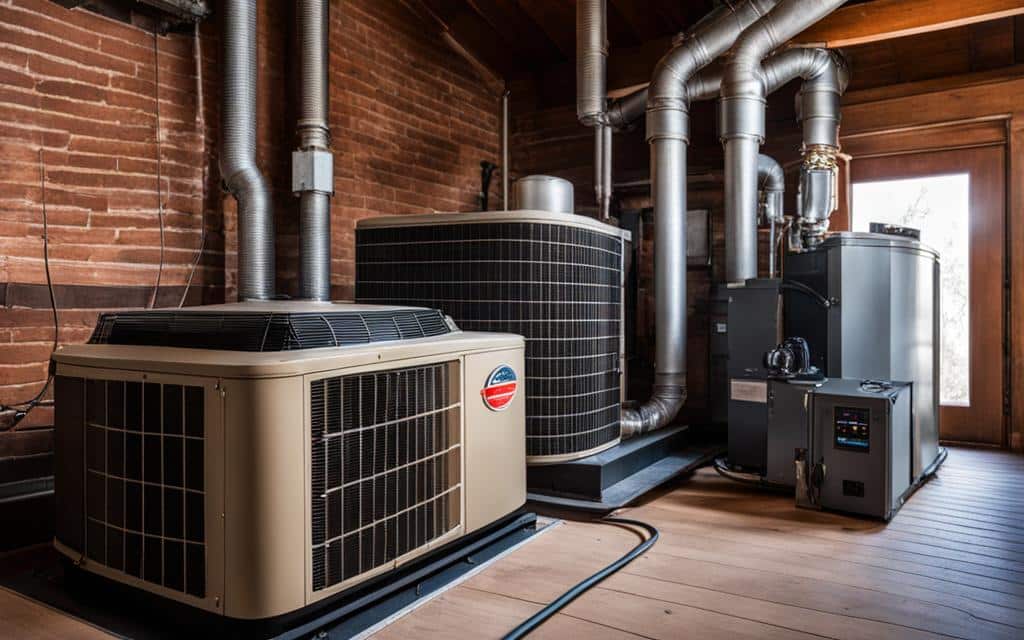
When it comes to renovating historic homes and integrating modern air conditioning systems, it is crucial to strike a balance between functionality and preserving the historical integrity of the property. Here are some best practices to consider:
1. Conduct a thorough assessment of the historic property
Before installing a modern air conditioning system, it is essential to assess the layout, structure, and unique characteristics of the historic home. This will help determine the best placement for the system without compromising the historical features.
2. Choose a system that blends seamlessly with the historic aesthetics
Opt for air conditioning systems that can be discreetly integrated into the home's design. Consider ductless mini-split systems or concealed ductwork to maintain the historical charm of the property.
3. Work with experienced professionals
Hiring certified air conditioner contractors with experience in working on historic homes is crucial. These professionals understand the complexities of integrating modern systems into older structures and can ensure that the installation is done correctly
4. Consider energy efficiency and sustainability
When selecting a modern air conditioning system, prioritize energy-efficient options that align with the sustainability goals of the renovation project. This not only benefits the environment but also helps reduce long-term operational costs.
5. Monitor and maintain the system regularly
Once the modern air conditioning system is installed, establish a routine maintenance schedule to ensure its optimal performance. Regular inspections and servicing will help prolong the lifespan of the system and prevent any potential issues.By following these best practices, you can successfully integrate modern air conditioning systems into historic homes while preserving their unique character and charm.
Considerations for preserving the historical aesthetics of a home while installing air conditioning
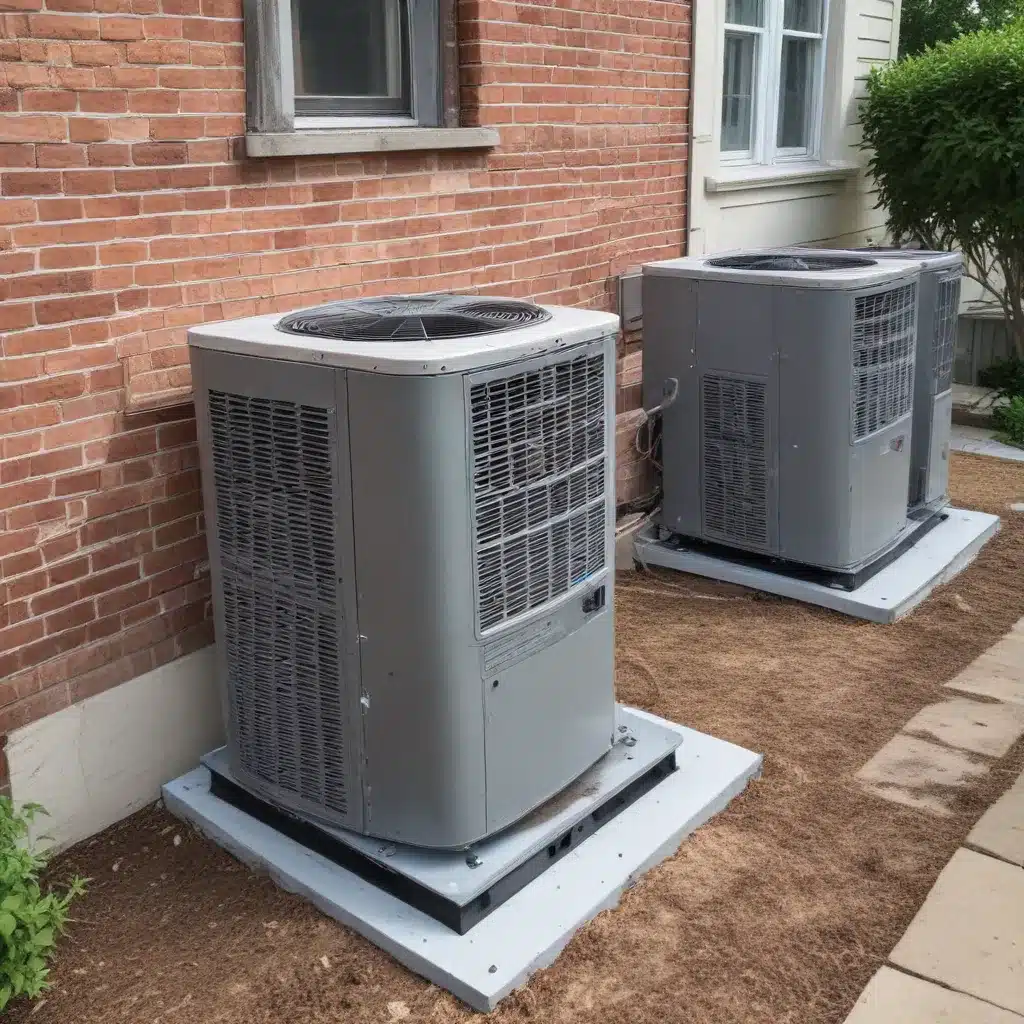
Preserving the historical aesthetics of a home during the installation of air conditioning systems is crucial to maintain the charm and authenticity of the property. It requires careful planning and strategic placement of the units to ensure they blend seamlessly with the historical design.
Strategies for concealing or integrating air conditioning units
When installing air conditioning in a historic home, consider the following strategies to preserve the historical aesthetics:
- Opt for concealed ducted systems that can be hidden within walls or ceilings to maintain the original architectural features of the home.
- Choose slim-line air conditioning units that can be discreetly installed without compromising the overall look of the property.
- Integrate air conditioning units behind existing features such as cabinetry or decorative screens to conceal them from plain sight.
Examples of creative solutions for maintaining historical charm
In some historic home renovations, creative solutions have been implemented to preserve the historical charm while meeting modern comfort needs:
- Installing air conditioning units in hidden alcoves or closets to keep them out of sight while ensuring efficient cooling throughout the home.
- Camouflaging air conditioning units with custom-made covers that mimic the design elements of the property, such as matching the color and texture of the walls or facades.
- Utilizing existing architectural features like window shutters or decorative grilles to disguise air conditioning vents and maintain the historical integrity of the home.
FAQ Explained
How can uncertified contractors impact historic home renovations?
Uncertified contractors may lack the necessary knowledge and skills to work on historical properties, leading to subpar results and potential damage to the home's historical integrity.
What are some challenges unique to working on air conditioning systems in historic homes?
Challenges include navigating delicate structures, understanding historical building materials, and ensuring that modern systems do not compromise the aesthetics of the property.
Is it possible to conceal air conditioning units in historic homes?
Yes, creative solutions such as integrating units into existing structures or utilizing hidden ductwork can help maintain the historical charm of a home.