Benefits of Asphalt Roofs
Asphalt roofs are a popular choice for homeowners due to their cost-effectiveness, durability, and low maintenance requirements. Let's explore some of the key benefits of asphalt roofs:
Cost-Effectiveness
- Asphalt roofs are more affordable compared to metal roofs, making them a budget-friendly option for homeowners.
- Installation costs for asphalt roofs are typically lower, saving you money upfront.
- Repairs and replacements for asphalt roofs are also more cost-effective, contributing to long-term savings.
Durability Against Harsh Weather
- Asphalt roofs are known for their durability and ability to withstand various weather conditions, including heavy rain, snow, and wind.
- High-quality asphalt shingles can provide excellent protection against UV rays, preventing damage and fading over time.
- Impact-resistant asphalt shingles can hold up well against hail and debris, ensuring the longevity of your roof.
Maintenance Requirements
- Regular inspections and minor repairs are all that is typically needed to maintain the integrity of asphalt roofs.
- Cleaning debris and keeping gutters clear can help prevent issues like water damage and mold growth.
- Applying a protective coating or sealant can extend the lifespan of asphalt roofs, reducing the need for frequent repairs.
Benefits of Metal Roofs
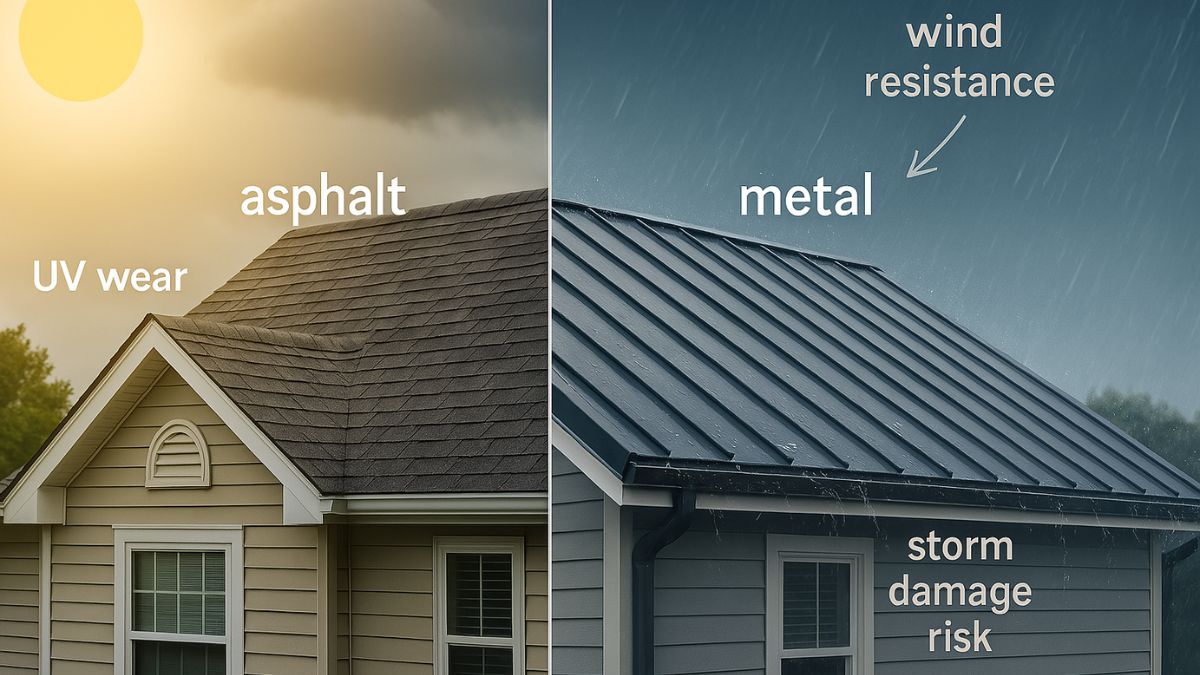
Metal roofs are renowned for their exceptional longevity compared to asphalt roofs. While asphalt roofs typically last around 15-20 years, metal roofs can last 40-70 years or even longer with proper maintenance. This longevity makes metal roofs a cost-effective and durable option for homeowners looking for a long-term roofing solution.
Types of Metal Roofs and Durability Features
Metal roofs come in various types, including steel, aluminum, copper, and zinc. Each type offers unique durability features that contribute to their longevity. Steel roofs are known for their strength and resistance to harsh weather conditions, while aluminum roofs are lightweight and resistant to corrosion.
Copper roofs develop a protective patina over time, enhancing their durability, and zinc roofs are highly resistant to rust and corrosion. These different types of metal roofs provide homeowners with options to choose based on their specific needs and preferences.
Eco-Friendliness and Sustainability
Metal roofs are considered eco-friendly due to their high recyclability. Most metal roofs are made from recycled materials and can be recycled again once they reach the end of their lifespan. Additionally, metal roofs are energy-efficient as they reflect solar heat, reducing the need for air conditioning in the summer months.
By choosing a metal roof, homeowners can contribute to sustainable living practices and reduce their carbon footprint.
Factors Affecting Long-Term Durability
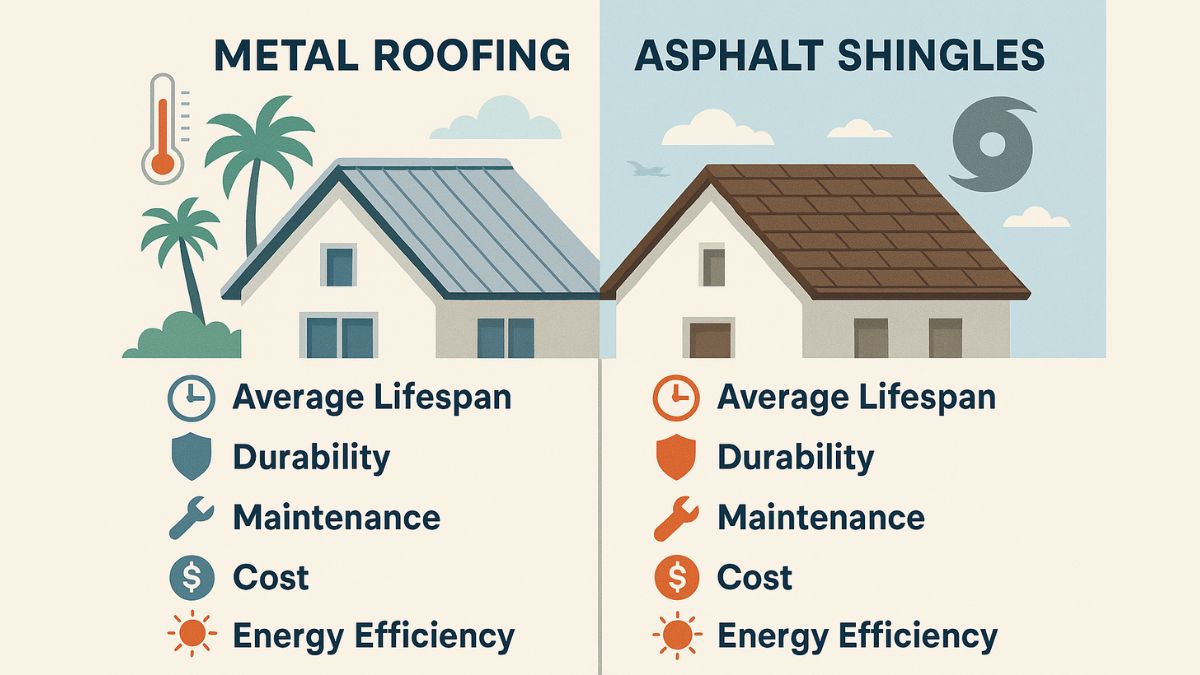
Climate, location, exposure, installation quality, ventilation, inspections, and maintenance all play crucial roles in determining the long-term durability of both asphalt and metal roofs
External Factors Impacting Durability
- Climate: Harsh weather conditions such as extreme temperatures, strong winds, heavy rainfall, and snow can affect the lifespan of roofs.
- Location: Proximity to the coast, industrial areas, or areas with high pollution levels can lead to faster deterioration of both asphalt and metal roofs.
- Exposure: Direct sunlight, humidity levels, and presence of nearby trees or debris can impact the longevity of roofs.
Installation Quality and Ventilation
- Proper installation is crucial for the durability of both asphalt and metal roofs, ensuring they can withstand environmental stressors effectively.
- Good ventilation helps regulate temperature and moisture levels, preventing issues like mold, rot, and premature deterioration.
- Poor installation or lack of ventilation can lead to structural damage and reduce the overall lifespan of the roof.
Importance of Regular Inspections and Maintenance
- Regular inspections help identify potential issues early on, allowing for timely repairs and maintenance to prevent further damage.
- Proactive maintenance, such as clearing debris, replacing damaged shingles, and addressing leaks promptly, can significantly extend the lifespan of both asphalt and metal roofs.
- Neglecting inspections and maintenance can result in costly repairs and premature roof replacement.
Environmental Impact
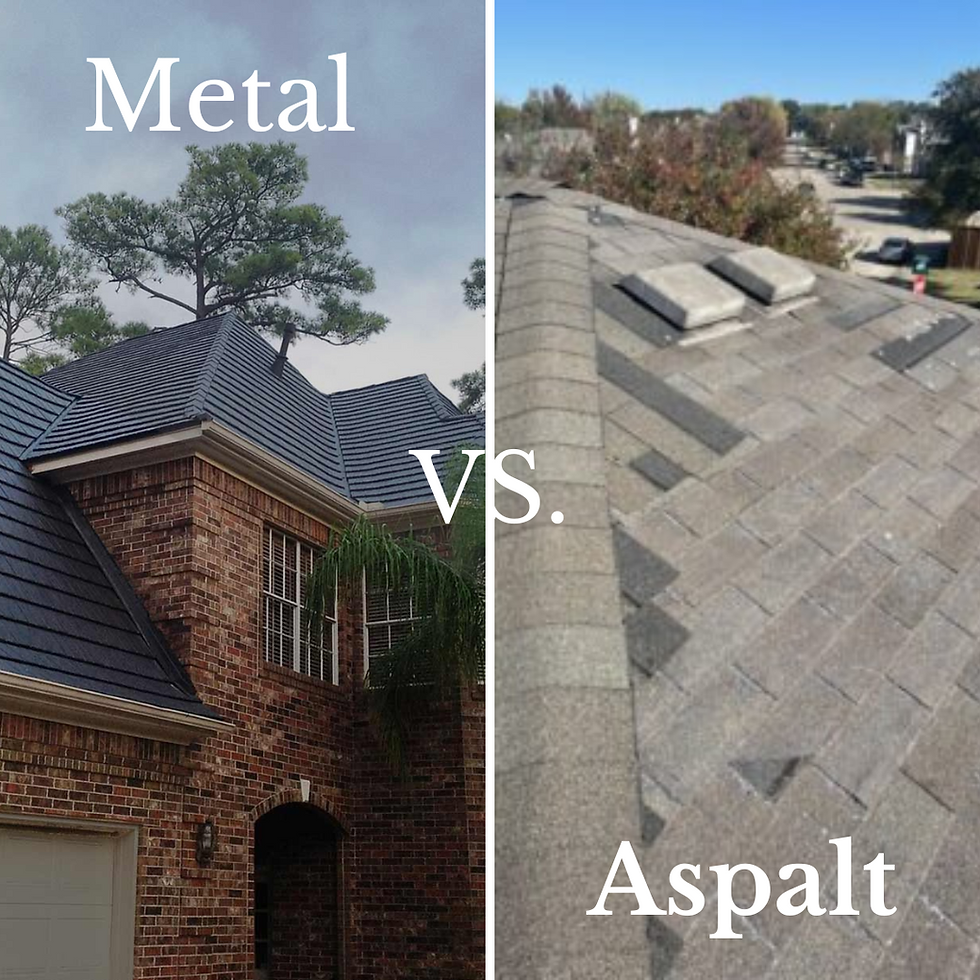
When considering the environmental impact of roofing materials, it is essential to look at factors such as ecological footprint, recyclability, and energy efficiency. Let's compare asphalt and metal roofs in these aspects.
Ecological Footprint
Asphalt roofs have a higher ecological footprint compared to metal roofs. The production of asphalt shingles requires the extraction of natural resources and the release of harmful emissions. On the other hand, metal roofs are often made from recycled materials, reducing the overall environmental impact.
Recyclability
One significant advantage of metal roofs is their high recyclability. Metal roofing materials can be recycled at the end of their lifespan, reducing waste and the need for new raw materials. In contrast, asphalt shingles are more challenging to recycle and often end up in landfills, contributing to environmental pollution.
Energy Efficiency and Sustainability
Metal roofs are known for their energy efficiency, as they reflect sunlight and heat, reducing the need for air conditioning during hot weather. This can lead to lower energy consumption and greenhouse gas emissions. Asphalt roofs, on the other hand, absorb heat and can increase cooling costs, making them less sustainable in terms of energy efficiency.
Frequently Asked Questions
What are the main differences in cost-effectiveness between asphalt and metal roofs?
Asphalt roofs are generally more affordable upfront, but metal roofs offer greater longevity, potentially making them more cost-effective in the long run.
How do factors like climate and location impact the durability of asphalt and metal roofs?
Climate and location play a significant role in determining how well asphalt and metal roofs hold up over time. Harsh weather conditions can affect both types differently.
Are metal roofs truly more eco-friendly than asphalt roofs?
Metal roofs are often considered more eco-friendly due to their recyclability and energy efficiency, making them a sustainable choice for environmentally conscious homeowners.