Importance of Professional HVAC Emergency Service
Professional HVAC emergency service is crucial for retail and office spaces to ensure the comfort of employees, customers, and the protection of valuable assets. Without timely professional HVAC service, various risks and damages can occur, leading to disruptions in business operations and a negative impact on customer experience.
Potential Risks and Damages
- System breakdowns: Failure to address HVAC issues promptly can result in complete system breakdowns, leading to uncomfortable indoor temperatures and potential health hazards.
- Water leaks: Malfunctioning HVAC systems can cause water leaks, resulting in water damage to the building structure, furnishings, and inventory.
- Poor air quality: Neglected HVAC systems can lead to poor air quality, triggering respiratory issues among occupants and affecting their overall well-being.
Impact on Customer Experience and Business Operations
- Customer discomfort: Inadequate HVAC systems can create discomfort for customers, impacting their shopping experience and reducing the likelihood of repeat business.
- Downtime: HVAC emergencies can lead to downtime in operations, causing delays in services, loss of revenue, and potential damage to the reputation of the business.
- Productivity loss: Unfavorable indoor conditions due to HVAC issues can lower employee productivity and morale, affecting overall business performance.
When it comes to choosing a professional HVAC emergency service provider for your retail or office space, there are several key qualities to consider. These qualities can help ensure that you receive prompt, efficient, and effective service when unexpected HVAC issues arise.
Response Time
A reliable HVAC emergency service provider should have a quick response time. This means they should be able to respond to your emergency call promptly and arrive at your location in a timely manner. A faster response time can help minimize downtime and prevent further damage to your HVAC system.
Availability
It is essential to choose a service provider that is available 24/7 for emergency services. HVAC emergencies can happen at any time, day or night, so having a provider that offers round-the-clock availability can give you peace of mind knowing that help is just a phone call away.
Expertise
When selecting an HVAC emergency service provider, look for technicians who have the expertise and experience to handle a wide range of HVAC issues. They should be knowledgeable about various HVAC systems and have the skills to diagnose and repair problems efficiently.
Additionally, certifications and qualifications are important indicators of a technician's expertise in the field.
Certifications and Qualifications
Certifications such as NATE (North American Technician Excellence) and qualifications from reputable HVAC training programs are crucial for HVAC emergency technicians. These certifications demonstrate that the technicians have undergone rigorous training and have the necessary skills to handle complex HVAC problems effectively.
When choosing an HVAC emergency service provider, make sure to inquire about the certifications and qualifications of their technicians to ensure you are receiving top-notch service.
Common HVAC Emergencies in Retail and Office Environments
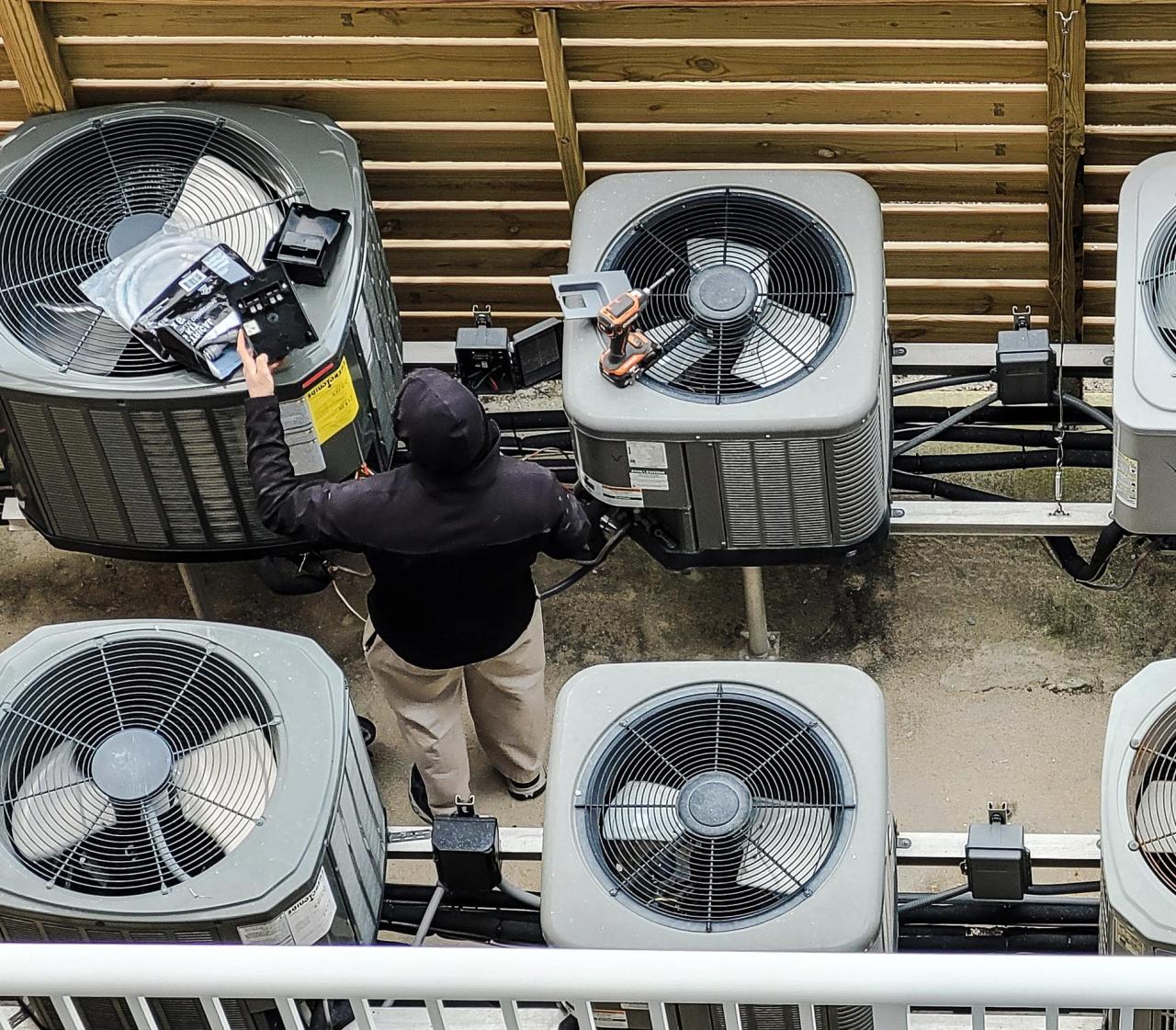
When it comes to retail and office spaces, HVAC emergencies can quickly disrupt daily operations and affect occupants. It is essential to be aware of the common HVAC emergencies that can occur in these environments, along with their potential causes and immediate consequences.
1. Air Conditioning System Failure
An air conditioning system failure can be a major issue in both retail and office settings, especially during hot weather. This can be caused by a variety of factors such as clogged filters, refrigerant leaks, or electrical problems.
The immediate consequence of an air conditioning system failure is discomfort for occupants due to the lack of cooling. In retail spaces, this can lead to customers leaving the premises, affecting sales. In offices, productivity can decrease as employees struggle to work in a hot environment.
2. Heating System Malfunction
A heating system malfunction can be equally problematic, especially during colder months. Common causes include issues with the thermostat, pilot light, or motor
The immediate consequence of a heating system malfunction is a drop in temperature, leading to discomfort for occupants. In retail spaces, this can deter customers from staying and affect the overall shopping experience. In offices, employees may have difficulty focusing and working efficiently in a cold environment.
3. Refrigeration System Breakdown
In retail environments that rely on refrigeration systems, a breakdown can have severe consequences. This can be caused by issues such as compressor failure, refrigerant leaks, or electrical problems.
The immediate consequence of a refrigeration system breakdown is the risk of perishable goods spoiling, leading to financial losses for the business. In addition, customers may be discouraged from purchasing items that require refrigeration, impacting sales.
Steps to Take During an HVAC Emergency
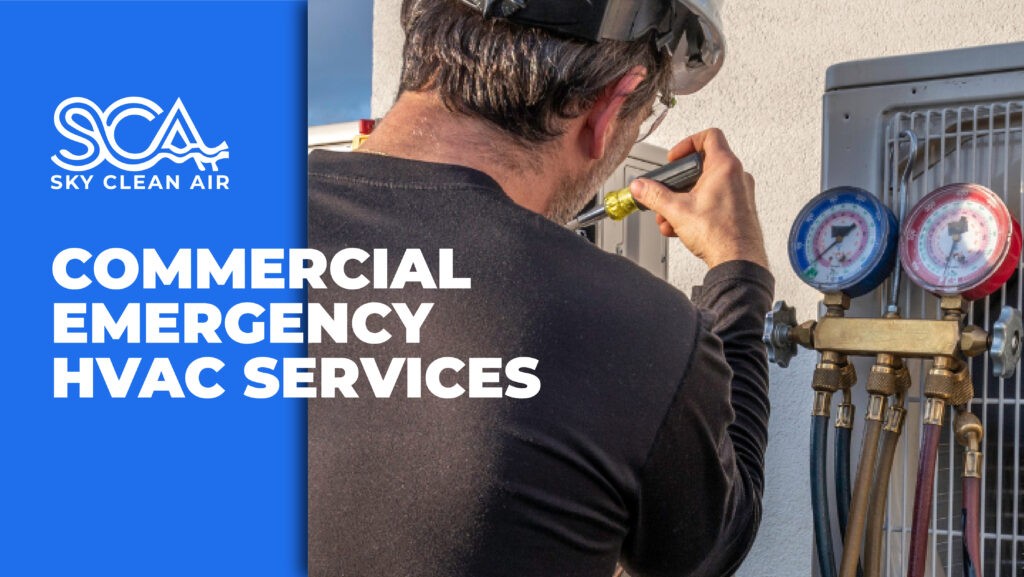
During an HVAC emergency in a retail or office setting, it is crucial to act swiftly and efficiently to ensure the safety of everyone present and minimize potential damage. Having a clear plan in place can make a significant difference in handling the situation effectively.
Assess the Situation
- Immediately notify all employees and customers to evacuate the building to a safe location.
- Determine the nature of the HVAC emergency, such as a gas leak, fire, or system malfunction.
- Contact your HVAC service provider or emergency services for assistance.
Safeguard Employees and Customers
- Ensure that everyone is safely outside the building and away from any potential hazards.
- Designate a meeting point for employees to gather and be accounted for.
- Provide necessary first aid or assistance to anyone who may have been affected by the emergency.
Protect the Property
- Turn off the HVAC system to prevent further damage or escalation of the emergency.
- Secure any flammable materials or equipment that could pose a risk in the event of a fire.
- Follow any additional safety protocols or instructions provided by emergency responders or HVAC professionals.
Have a Contingency Plan
- Develop and regularly review an emergency response plan specific to HVAC-related incidents.
- Train employees on the necessary steps to take in case of an HVAC emergency.
- Maintain contact information for emergency services and HVAC technicians in an easily accessible location.
Top FAQs
What are the potential risks of neglecting HVAC emergency service?
Neglecting HVAC emergency service can lead to disruptions in business operations, uncomfortable indoor environments, and potential damage to equipment.
How can I find a reliable HVAC emergency service provider?
Look for providers with quick response times, 24/7 availability, and proper certifications to ensure expertise in handling emergencies.
What are some common HVAC emergencies in retail and office spaces?
Common HVAC emergencies include system failures, leaks, and issues with ventilation that can impact indoor air quality.
What steps should be taken during an HVAC emergency?
During an HVAC emergency, prioritize safety, evacuate if necessary, and contact a professional service provider immediately to mitigate the issue.