Air Conditioner Replacement Basics
When considering an air conditioner replacement, it is crucial to have a good understanding of your current AC system specifications. This knowledge will help you make informed decisions and ensure that the new unit meets your needs effectively.
Common Signs for Air Conditioner Replacement
- Constant Repairs: If your air conditioner requires frequent repairs and the costs are adding up, it might be more cost-effective to replace it.
- Poor Cooling Performance: If your AC is struggling to cool your space effectively, even after maintenance, it could be a sign that it's time for a new unit.
- Increased Energy Bills: Older air conditioners tend to be less energy-efficient, leading to higher energy bills. A replacement can help you save on energy costs in the long run.
Average Lifespan of an Air Conditioner
On average, an air conditioner can last between 10 to 15 years with proper maintenance. However, factors such as usage, maintenance, and quality of installation can impact its longevity.
Types of Air Conditioners for Replacement
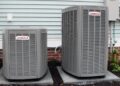
- Central Air Conditioning: Ideal for cooling large spaces, central AC systems distribute cool air through ducts and vents.
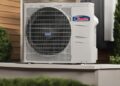
- Ductless Mini-Split Systems: Perfect for homes without ductwork, these systems offer flexibility in cooling individual rooms or zones.
- Window Air Conditioners: Best suited for small spaces, window AC units are easy to install and cost-effective.
Factors to Consider Before Buying
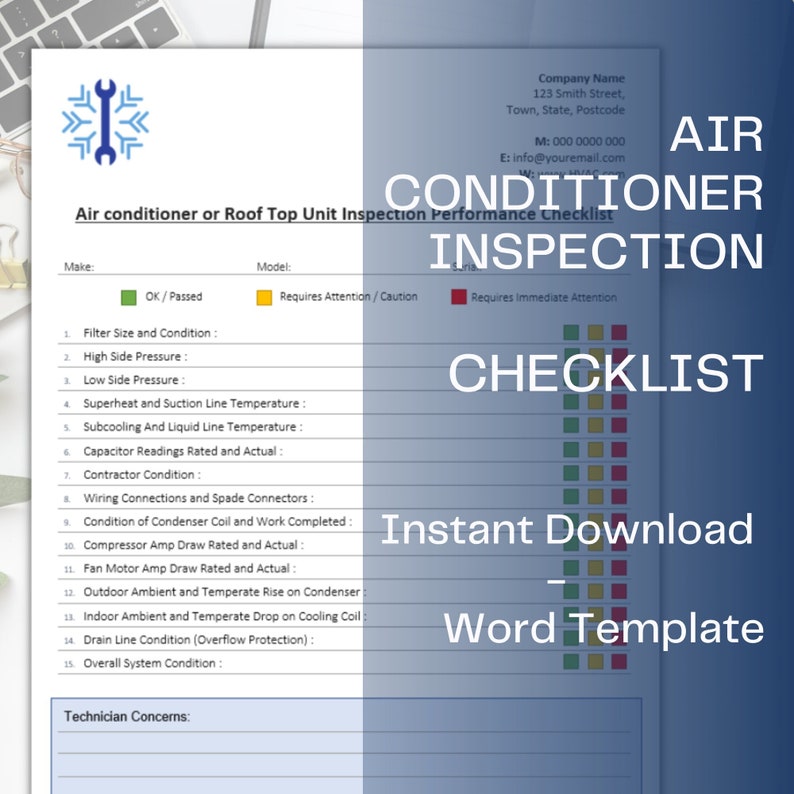
When purchasing a new air conditioner, there are several important factors to take into consideration to ensure you select the best option for your needs.
Sizing and Capacity
One of the crucial factors to consider before buying an air conditioner is the sizing and capacity of the unit. A system that is too small will struggle to cool your space efficiently, while one that is too large may lead to excessive energy consumption and uneven cooling.
It is essential to calculate the appropriate size based on the square footage of the area you need to cool.
Energy Efficiency Ratings
Energy efficiency ratings, such as SEER (Seasonal Energy Efficiency Ratio), are vital when choosing a replacement air conditioner. Higher SEER ratings indicate better energy efficiency, which can lead to lower utility bills and reduced environmental impact. Look for units with high SEER ratings to maximize energy savings.
Features Comparison
When selecting a new air conditioner, compare various features to find the best fit for your needs. Consider options like smart thermostats for convenient temperature control, units with low noise levels for quiet operation, and models with air quality enhancements for improved indoor air quality.
Assessing these features can help you find a unit that meets your comfort and efficiency requirements.
Budgeting and Cost Estimates
When it comes to replacing your air conditioner, budgeting and cost estimates play a crucial role in the decision-making process. Understanding the typical costs associated with air conditioner replacement and creating a realistic budget can help you make informed choices.
Typical Costs Associated with Air Conditioner Replacement
- Cost of the new air conditioner unit
- Labor costs for installation
- Additional materials and supplies needed for installation
- Potential costs for removing the old unit
- Possible costs for ductwork modifications or repairs
Creating a Budget for the Purchase and Installation Process
- Evaluate your current financial situation and set a realistic budget
- Obtain multiple quotes from different HVAC companies to compare prices
- Consider energy-efficient models that may have higher upfront costs but lower long-term operating expenses
- Factor in any potential financing options or rebates that could help offset the costs
Financing Options for Air Conditioner Replacement
- Personal loans from banks or credit unions
- Manufacturer or retailer financing programs
- Energy-efficient financing options or rebates
- Home equity loans or lines of credit
Long-Term Savings with High-Quality Replacement Units
Investing in a high-quality, energy-efficient air conditioner can lead to significant long-term savings on energy bills.
- Lower energy consumption reduces monthly utility costs
- Fewer repairs and maintenance expenses over time
- Potential increase in property value with an upgraded HVAC system
Hiring Professionals vs. DIY
When it comes to air conditioner replacement, the decision to hire professionals or attempt a DIY installation is crucial
Benefits of Hiring Professionals
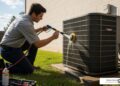
- Professional expertise: HVAC professionals have the necessary skills and experience to ensure a proper installation, maximizing the efficiency of your new unit.
- Time-saving: Hiring professionals can save you time and effort, as they can complete the replacement process efficiently and effectively.
- Warranty protection: Many manufacturers require professional installation to maintain warranty coverage, ensuring peace of mind in case of any issues.
- Safety assurance: Professionals are trained to handle the complexities of air conditioner installation safely, reducing the risk of accidents or damage.
Risks of DIY Air Conditioner Replacement
- Improper installation: Incorrect installation can lead to reduced efficiency, frequent breakdowns, and even safety hazards, compromising the performance of your new unit.
- Voided warranty: DIY installation may void the manufacturer's warranty, leaving you responsible for any repairs or replacements in the future.
- Lack of expertise: Without the necessary skills and knowledge, DIY attempts can result in costly mistakes and subpar performance of the air conditioner.
- Safety concerns: Handling electrical components and refrigerants without proper training can pose serious safety risks to both the installer and the occupants of the property.
Importance of Proper Installation
Proper installation of an air conditioner is crucial for its efficiency and longevity. A well-installed unit can operate at peak performance, consume less energy, and have a longer lifespan. It also ensures that the system functions correctly, providing optimal comfort in your living space.
Qualifications and Certifications for HVAC Professionals
| Qualifications | Certifications |
|---|---|
| Completed HVAC training programs | NATE (North American Technician Excellence) certification |
| Experience in air conditioner installation | EPA 608 certification for handling refrigerants |
| Knowledge of local building codes | Manufacturer-specific certifications |
Maintenance and Warranty Considerations
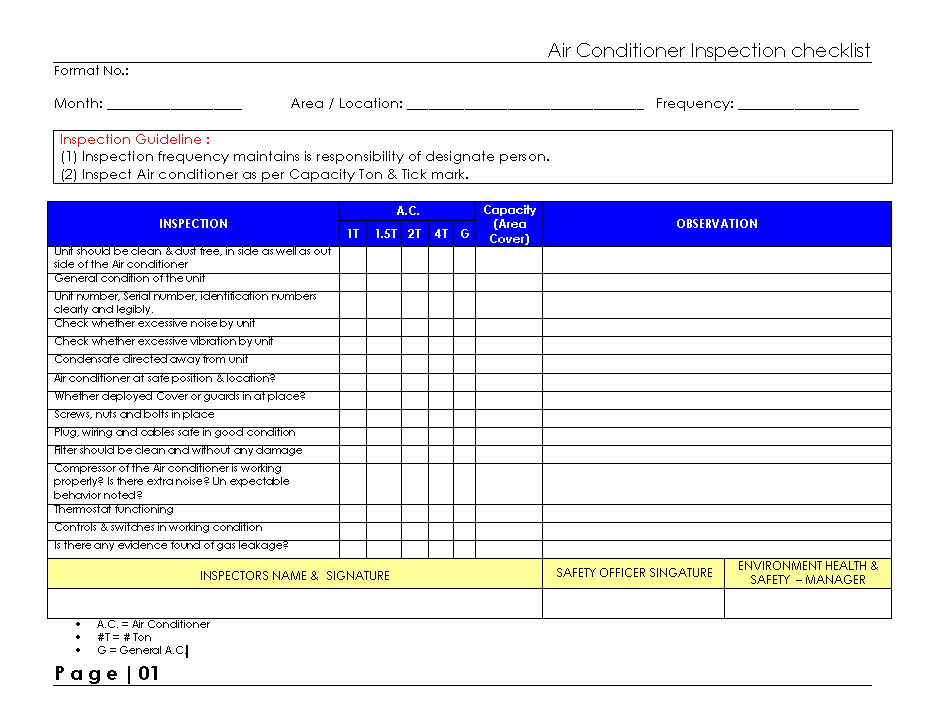
When investing in a new air conditioner, it is crucial to consider maintenance and warranty aspects to ensure the longevity and efficiency of your unit.Regular maintenance is key to keeping your air conditioner running smoothly. Here is a maintenance checklist to help you maintain your new air conditioner:
Maintenance Checklist
- Regularly clean or replace air filters to ensure proper airflow and efficiency.
- Clean the evaporator and condenser coils to prevent dirt buildup and maintain cooling performance.
- Inspect and clean the fins on the outdoor unit to prevent airflow blockages.
- Check and clean the condensate drain to prevent water leaks and mold growth.
- Schedule annual professional maintenance to detect and address any issues early on.
Regular servicing and maintenance not only extend the lifespan of your air conditioner but also help prevent costly repairs down the line. By addressing minor issues promptly, you can avoid major breakdowns and ensure optimal performance.Warranty coverage is another essential consideration when purchasing a new air conditioner.
Look for a warranty that offers comprehensive coverage for parts and labor for an extended period. Consider the following factors when evaluating a warranty:
Warranty Coverage
- Length of coverage: Opt for a warranty that provides coverage for an extended period to protect your investment.
- Inclusions: Ensure that the warranty covers both parts and labor to avoid out-of-pocket expenses for repairs.
- Exclusions: Be aware of any exclusions or limitations in the warranty to understand what is not covered.
- Transferability: Check if the warranty is transferable in case you sell your home, adding value to the property.
To make the most of your warranty, be sure to register it promptly after installation. Keep track of all service records and maintenance activities to provide documentation in case you need to make a claim. By staying on top of maintenance and warranty considerations, you can enjoy a comfortable indoor environment with peace of mind.
Questions Often Asked
What are the common signs that indicate it's time for an air conditioner replacement?
If your AC system is blowing warm air, making strange noises, experiencing frequent breakdowns, or has a significant increase in energy bills, it might be time for a replacement.
How important is sizing and capacity when choosing an air conditioner?
Sizing and capacity are crucial factors as an undersized unit won't cool your space efficiently, while an oversized one will cycle on and off frequently, leading to higher energy bills and wear and tear on the system.
What are the typical costs associated with air conditioner replacement?
The costs can vary depending on the size of your home, the type of unit chosen, and any additional features required. On average, it can range from $3,000 to $7,000.
Is it better to hire professionals for air conditioner replacement or attempt a DIY approach?
Hiring professionals ensures proper installation, warranty coverage, and expertise in handling any challenges that may arise. DIY attempts can lead to costly mistakes and potential safety hazards.
Why is regular servicing and maintenance important for the longevity of a new air conditioner?
Regular servicing helps prevent issues, maintains efficiency, and ensures optimal performance of your air conditioner. It also helps in identifying any minor problems before they escalate into major repairs.